


When most people think of investments, stocks, real estate, or precious metals come to mind. Yet for centuries, collectors and homeowners alike have turned to handmade carpets as a unique and rewarding way to preserve and grow value. Beyond their beauty, these meticulously crafted works of art offer durability, cultural heritage, and the potential to appreciate over time. Understanding the true worth of a handmade carpet requires a closer look at its craftsmanship, materials, and the legacy it represents.
The Timeless Appeal of Handmade Carpets
Handmade carpets are more than floor coverings. They are artistic expressions, often created using centuries-old techniques passed down through generations. From the intricate Persian designs of Iran to the vibrant tribal patterns of India, Turkey, and Central Asia, each carpet tells a story—of a region’s culture, natural dyes, and the personal artistry of its weaver.
Unlike mass-produced machine-made rugs, handmade carpets possess subtle irregularities—slight variations in knotting and colour—that give them character and uniqueness. These nuances are what make each piece one-of-a-kind, much like a painting or sculpture.
Why Handmade Carpets Hold Long-Term Value
1. Exceptional Durability
The durability of a handmade carpet comes from its construction. Each knot is tied by hand, creating a dense, resilient structure that can withstand decades of use. High-quality wool, silk, or cotton fibers further enhance longevity. A well-maintained handmade carpet can last for generations, outliving many modern furnishings.
2. Artisanal Rarity
True handmade carpets are labor-intensive. A single 9×12 foot rug can take skilled artisans anywhere from six months to several years to complete. This dedication to craftsmanship ensures limited production, which naturally supports value retention and appreciation.
3. Material Quality
The finest handmade carpets use premium natural fibers. Wool provides warmth and resilience, while silk adds luster and softness. Natural vegetable dyes produce rich, enduring colors that age gracefully, unlike synthetic alternatives that can fade over time.
4. Cultural Significance
Handmade carpets are often tied to cultural heritage. For instance, Kashmiri carpets reflect Mughal influences, while Persian rugs feature motifs inspired by ancient Persian gardens and poetry. Owning one means preserving a piece of history—an aspect that adds intangible but powerful value.
5. Potential Appreciation
High-quality handmade carpets often appreciate with age, particularly those from famous weaving regions or with rare patterns. Well-preserved antique or semi-antique pieces can fetch impressive prices at auctions and private sales. Like fine art, the value of a handmade carpet increases as it becomes rarer and more historically significant.
Understanding the Key Elements of Value
To recognise a handmade carpet as a smart investment, it helps to know what factors influence its worth:
- Knot Density (KPSI): Measured as knots per square inch, higher density usually indicates more intricate design and greater durability.
- Material: Pure silk or high-quality wool increases longevity and sheen.
- Design & Pattern: Unique or complex motifs enhance artistic and market value.
- Age & Condition: Antique rugs (over 100 years) or semi-antique rugs (50–100 years) in excellent condition can command premium prices.
- Origin: Carpets from renowned regions—such as Persian Tabriz, Turkish Hereke, or Indian Jaipur—carry a reputation for excellence.
Durability: Built to Last for Generations
A handmade carpet isn’t a short-term décor purchase—it’s an heirloom. Properly cared for, it can last decades, even centuries. Unlike machine-made rugs that often wear out in less than 10 years, hand-knotted carpets improve with age. Their colors mellow beautifully, and the natural fibers develop a soft sheen known as “patina,” which collectors prize.
Maintenance Tips for Longevity:
- Vacuum regularly using gentle suction to remove dust.
- Rotate the carpet annually to distribute wear evenly.
- Avoid prolonged exposure to direct sunlight.
- Address spills promptly and use professional cleaning when needed.
With these practices, a handmade carpet can remain vibrant and structurally sound for generations, making it a genuine long-term asset.
The Legacy of Craftsmanship
Every handmade carpet is a testament to human creativity and discipline. Artisans spend countless hours designing patterns, hand-dyeing fibers, and tying individual knots. In many weaving communities, carpet-making is more than an occupation—it’s a living tradition passed from parent to child. Supporting these artisans not only preserves a fading heritage but also sustains entire rural economies.
For example, Indian weaving centers like Jaipur and Bhadohi have upheld their reputations for centuries. Similarly, Persian, Turkish, and Afghan rug-making families continue to produce masterpieces despite the challenges of modern industrialization. By investing in a handmade carpet, you contribute to the survival of these priceless crafts.
Styling Handmade Carpets in Modern Homes
Beyond investment potential, handmade carpets offer remarkable versatility in interior design. Their rich textures and patterns suit a variety of aesthetics:
- Classic Elegance: Traditional Persian or Mughal designs pair beautifully with antique furniture and formal living rooms.
- Modern Minimalism: A single bold tribal rug can be the focal point in a sleek, contemporary space.
- Bohemian Warmth: Layering smaller handwoven pieces adds depth and character to eclectic décor.
Whether placed in a living room, dining area, or bedroom, a handmade carpet transforms the atmosphere, adding warmth and visual intrigue.
Choosing the Right Carpet: A Buyer’s Guide
If you’re considering handmade carpets rug as a long-term investment, keep these tips in mind:
- Buy from Reputable Sources
Choose established suppliers or galleries with proven expertise. Request authenticity certificates whenever possible. - Examine the Back
A true hand-knotted rug will have visible knots on the back, not a uniform machine-made backing. - Consider Your Lifestyle
For high-traffic areas, opt for wool or wool-silk blends for durability. Reserve delicate silk carpets for low-traffic spaces. - Set a Budget
Quality handmade carpets range widely in price. Determine a budget while focusing on quality over size. - Trust Your Eye
Ultimately, invest in a piece you love. Emotional connection is as important as financial appreciation.
Handmade Carpets in the Global Market
In recent years, the global demand for authentic handmade carpets has surged. Discerning buyers in Europe, North America, and Asia recognise their artistic and investment value. Major auctions at Christie’s and Sotheby’s have witnessed exceptional prices for antique Persian and Oriental rugs, further affirming their status as collectable assets.
Even contemporary handmade carpets, especially those from recognised designers or weaving houses, have shown strong resale potential. This growing awareness ensures that a carefully chosen carpet is not only a beautiful addition to your home but also a savvy financial decision.
Supporting Sustainable and Ethical Practices
Investing in handmade carpets today also means supporting sustainable and ethical production. Many artisan groups and cooperatives ensure fair wages, safe working conditions, and environmentally friendly dyeing processes. By choosing authentic handmade rugs, you help sustain eco-friendly practices and promote social responsibility.
Conclusion
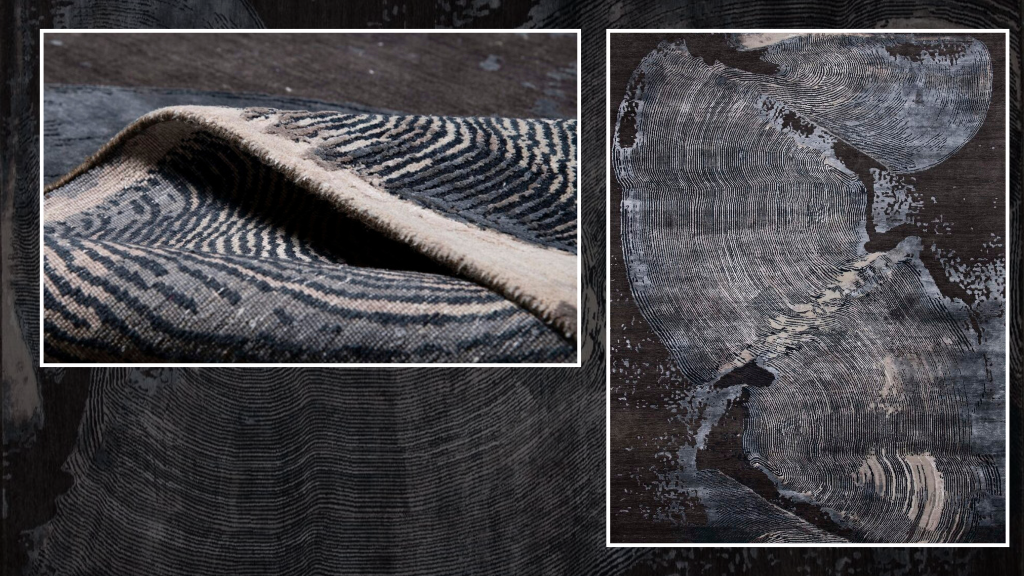
A handmade carpet is more than an accessory; it’s a living legacy of art, culture, and craftsmanship. Its beauty and durability make it a functional centrepiece for your home, while its rarity and heritage can increase its value over time. When you invest in a handmade carpet, you’re not just purchasing a floor covering—you’re preserving centuries of tradition and craftsmanship for future generations.
Whether you’re an art enthusiast, a savvy investor, or a homeowner seeking timeless elegance, a handmade carpet is a purchase that pays dividends in aesthetic pleasure and financial appreciation. Choose wisely, care diligently, and you will enjoy a treasure that truly lasts a lifetime.
