


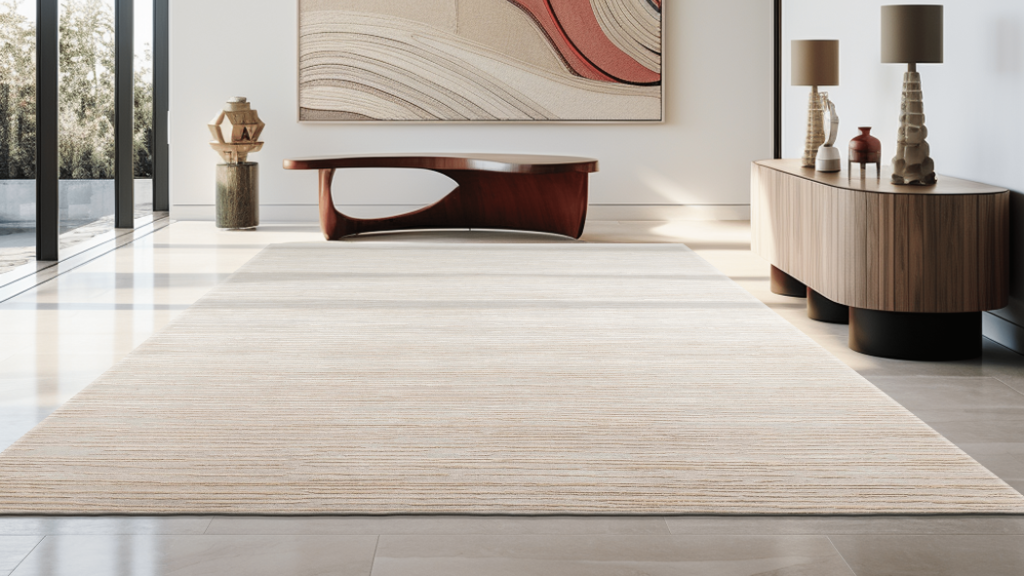
Interior design enthusiasts know that the timeless elegance, warmth, and character that handcrafted carpets bring can only be equalled by their timeless elegance, warmth, and character. India, with its centuries-old legacy of weaving excellence, is now recognized globally for producing some of the world’s finest woven offerings; among these, bespoke carpets crafted to meet individual preferences are fast becoming increasingly popular as they combine tradition with personalization, offering not just floor coverings but unique expressions of individualism and taste.
In this blog, we will delve into the cultural heritage and unique qualities of Indian carpets, what sets bespoke rugs apart, their creation process and why they’ve become such an elegant solution to elevate their spaces with unmatched individuality and grace.
1. India’s Carpet-Weaving Legacy: A Tradition Woven Through Time
India’s connection to carpet weaving dates back to Mughal India during the 16th century, when Emperor Akbar brought Persian artisans over from Persia. As time progressed, this craft transformed itself to reflect regional influences, religious iconography and artistic sensibility.
Major carpet-producing hubs such as Kashmir, Jaipur, Bhadohi, Mirzapur, and Agra have each adopted distinct weaving styles and techniques, from intricate floral motifs to tribal geometrics and Islamic medallions. India is widely known for their intricate hand-knotting with high knot density using luxurious natural materials like wool, silk cotton as part of their weaving techniques.
India is steeped in tradition, which forms the cornerstone of every custom-crafted carpet created here today.
Key Features:
Tailor-made design based on the client’s input
Custom dimensions and shapes
Material selection (wool, silk, jute, bamboo silk, or blends)
Unique colour palettes that match interiors
Artisanal production, usually hand-knotted or hand-tufted
Whether it’s a monogrammed rug for a luxury hotel suite, a tribal-inspired carpet for a living room, or an abstract design for a corporate lobby, bespoke rugs offer functional beauty and personal expression.
3. The Growing Popularity of Bespoke Carpets in India
India has become a prime destination for bespoke carpets due to its skilled artisans, affordable craftsmanship, and rich textile history. Here’s why bespoke rugs are in high demand:
Perfect Fit for Unique Spaces
Standard carpets rarely fit oddly shaped or oversized rooms. With Handmade Rugs Supplier you can order exact dimensions that align perfectly with your furniture layout and space.
Colour and Pattern Flexibility
Clients can choose exact colours to match wall paints, furniture fabrics, and room themes, ensuring harmony across the space.
Art You Can Walk On
From modern art-inspired patterns to traditional mandala motifs, bespoke carpets allow clients to turn their ideas into tactile, functional art.
Luxury and Exclusivity
No two custom carpets are the same. This uniqueness offers a level of exclusivity that enhances the feeling of luxury in any room.
4. The Bespoke Carpet-Making Process
Producing a custom carpet requires collaboration among the client, designer and artisan – here is an overview of how the process works in India:
Step 1: Design Consultation
Begin by understanding their vision and goals for their project. This may involve:
Examining architectural plans or decor palettes
Sharing design references, sketches or themes
Establish your style preferences: traditional, modern, minimalist or eclectic
Designers then develop digital mockups or hand-drawn sketches for client approval.
Step 2: Material Selection
Clients select materials depending on where and how their carpet will be used:
Wool: Durable yet resilient material perfect for high-traffic areas.
Silk: Silk flooring offers elegance and luxuriousness, making it suitable for lower traffic zones.
Wool-Silk Blends: Offering the optimal combination of strength and sheen
Natural fibres such as jute or bamboo silk for eco-conscious designs.
Material selection affects durability, texture and cost.
Step 3: Colour Matching
Clients use colour tufts (pom boxes) to select exact shades for every element of their design, creating seamless integration within their interior space.
Step 4: Weaving and Craftsmanship
No matter their technique of choice (hand-knotting, hand-tufting or flat weaving), artisans begin the weaving process. A hand-knotted rug may take weeks or even months, depending on its size and complexity.
Knot by knot, the rug takes shape with master weavers bringing precision and soul into its design.
Step 5: Finishing Touches
Once the rug has been woven, it undergoes finishing processes such as:
Washing (to soften and set dyes)
Stretching (for shape consistency)
Shearing and carving (to emphasise design elements)
Edge binding (to improve durability)
Step 6: Delivery
Once ready, the carpet is delivered along with care instructions and authenticity certificates (if requested), marking its journey from concept to creation.
5. Styling Bespoke Carpets in Modern Interiors
One of the reasons Abstract Rugs Supplier are so valued is their versatility. Here’s how they fit into different interior styles:
Traditional Homes
Recreate Persian, Mughal, or Kashmir motifs with authentic colour schemes
Add warmth and richness to classic wood or marble interiors
Modern Minimalist Interiors
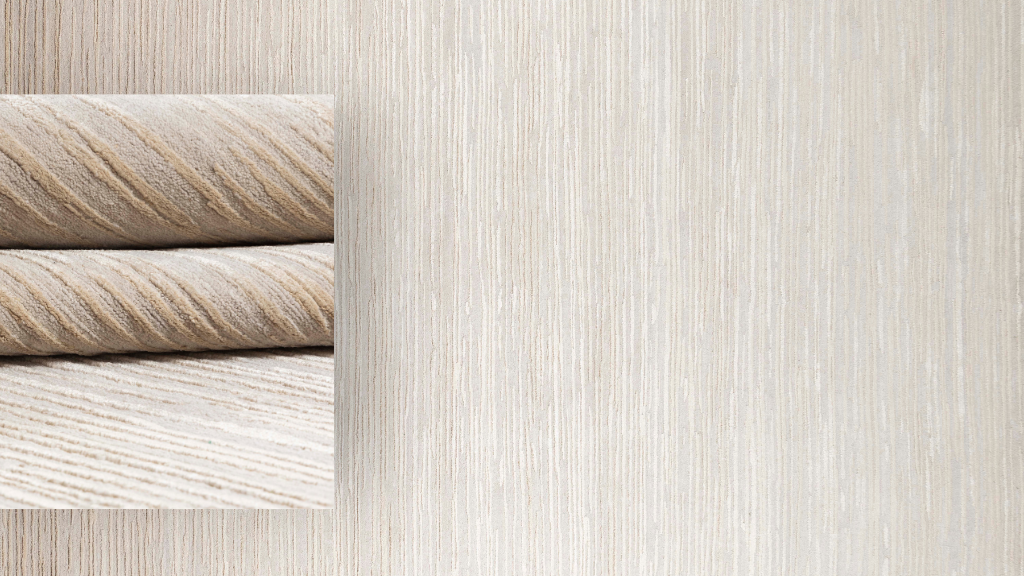
Use muted, monochrome custom carpets with subtle textures
Incorporate abstract or asymmetrical patterns to add visual interest
Eco-Friendly Spaces
Choose natural fibers and plant-based dyes
Customize designs inspired by nature (leaves, trees, landscapes)
Corporate and Hospitality Spaces
Integrate brand colors or logos subtly into the rug design
Use custom runners for hallways, lobbies, or reception areas
6. Supporting Artisans and Sustainable Practices
One of the greatest joys of buying a custom carpet from India is knowing you are supporting skilled artisans while upholding an age-old craft tradition.
Preserving Heritage
Each rug represents generations of woven expertise being passed from master weaver to apprentice weaver.
Produce Eco-Friendly Carpets
Many workshops in India now use organic dyes, low-impact weaving techniques and ethical labor practices in their production process to ensure you receive an Eco-friendly carpet that looks stunning while being good to the planet.
7. Tips for Choosing the Perfect Bespoke Carpet
Plan your budget early. Bespoke doesn’t always mean expensive, but costs vary based on size, material, and complexity.
Think long-term. Choose designs that will remain stylish and meaningful for years.
Visualize placement. Ask your designer for room renderings with the carpet added.
Prioritise maintenance. If the rug is for a high-traffic area, opt for wool or blends instead of silk.
Work with reputable makers. Choose carpet houses or companies known for quality, ethical sourcing, and client satisfaction.
Conclusion: The Ultimate Expression of Luxury and Culture Bespoke carpets in India are more than just accessories; they represent individual identity, history and artistry. By opting for custom carpets for your home or space, not only are you personalizing it, but also contributing to celebrating Indian artisans’ skilled craftsmanship.
No matter the occasion or purpose, custom carpets offer endless options that reflect both culture and personal taste. Each knot tells its own tale.
