


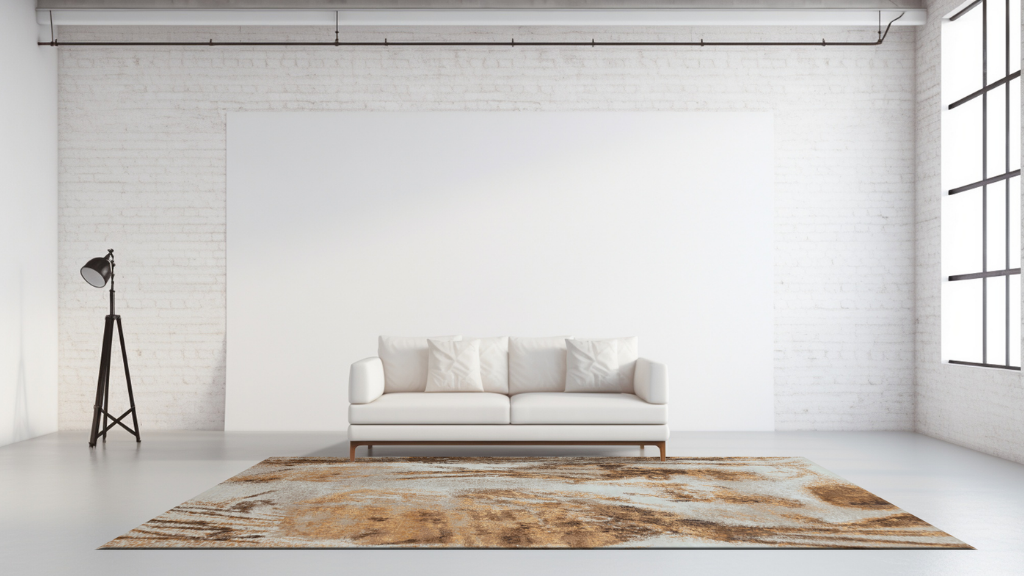
Rugs are more than decorative accessories; they bring warmth, comfort, texture, and personality to a living space. Whether placed in a living room, bedroom, dining area, or office, the right rug can transform the overall appearance of an interior. However, when choosing a rug, buyers often face an important question: should they invest in handmade rugs in India or choose imported rugs?
Both options offer different advantages in terms of design, materials, craftsmanship, durability, and pricing. While handmade rugs are valued for their artistic details and traditional weaving techniques, imported rugs provide access to diverse international styles, production methods, and price ranges. Understanding these differences can help homeowners, interior designers, and businesses make informed purchasing decisions.
In this guide, we explore handmade rugs in India versus imported rugs, focusing on quality, craftsmanship, materials, design, durability, and long-term value.
1. Craftsmanship: Traditional Artistry vs Modern Production
One of the biggest differences between handmade rugs and imported rugs is the method used to create them.
Handmade Rugs in India
India has a rich tradition of rug-making, with skilled artisans producing carpets using techniques passed down through generations. Depending on the region and weaving tradition, these techniques include hand-knotting, hand-tufting, and flatweaving.
Hand-knotted rugs are particularly appreciated for their detailed patterns, intricate designs, and time-intensive production process. Each knot is tied individually, allowing artisans to create complex motifs and distinctive textures.
Handmade rugs may feature traditional Persian-inspired patterns, floral designs, geometric motifs, abstract compositions, or contemporary styles. The craftsmanship involved gives each piece its own character, making handmade rugs an attractive choice for people who appreciate artisanal products.
Imported Rugs
Imported rugs come from various countries and may be handmade, machine-made, or produced using a combination of techniques. Their quality depends on the manufacturer, materials, weaving method, and production standards rather than their country of origin alone.
Machine-made imported rugs can offer consistent patterns, uniform dimensions, and efficient production. Handmade imported rugs, on the other hand, may provide craftsmanship comparable to that of Indian rugs.
The key difference is not simply where a rug is made, but how it is crafted. Buyers should examine the construction method and finishing quality before making a decision.
2. Material Quality: Wool, Silk, Cotton, and Synthetic Fibres
The materials used in a rug significantly influence its softness, appearance, durability, and maintenance requirements.
Materials Used in Indian Handmade Rugs
Handmade rugs in India are available in a variety of natural and blended materials.
- Wool: Wool rugs are valued for their softness, resilience, warmth, and suitability for everyday living spaces.
- Silk: Silk rugs offer a smooth texture, delicate detailing, and a distinctive sheen that changes with the direction of the light.
- Cotton: Cotton is commonly used in flatweave rugs and can provide a lightweight, versatile option for different interiors.
- Viscose: Viscose rugs offer a silky appearance and attractive lustre, making them suitable for decorative spaces with relatively light foot traffic.
- Blended fibres: Different fibres can be combined to achieve specific textures, appearances, and price points.
Material selection should depend on the intended use of the rug. For example, wool may be suitable for a busy living room, while silk or viscose may be better suited to a decorative area with limited foot traffic.
Materials Used in Imported Rugs
Imported rugs also offer a wide selection of natural and synthetic materials. Depending on the manufacturer, buyers may find wool, silk, cotton, polyester, polypropylene, and other fibre blends.
Synthetic rugs can be practical for buyers seeking particular price points, colour options, or easier routine maintenance. However, performance varies by fibre quality, pile construction, backing, and finishing.
When comparing rugs, consider fibre composition, pile density, colourfastness, and construction rather than assuming that imported products are automatically superior or inferior.
3. Design Variety: Indian Heritage and Global Inspiration
Design plays an important role in choosing the right rug because it influences the mood and visual balance of an interior.
The Appeal of Handmade Indian Rugs
Indian rug-making combines traditional artistry with contemporary design preferences. Buyers can explore a broad range of patterns, from elaborate traditional motifs to clean, modern designs.
Popular styles include:
- Traditional rugs: Detailed floral patterns and heritage-inspired motifs.
- Persian-style rugs: Intricate medallions, decorative borders, and symmetrical designs.
- Abstract rugs: Artistic patterns, expressive colours, and contemporary compositions.
- Vintage rugs: Aged appearances, muted colours, and distressed finishes.
- Minimalist rugs: Subtle textures, neutral shades, and understated patterns.
- Handmade silk rugs: Refined textures and intricate decorative details.
This variety makes handmade rugs in India suitable for traditional homes, modern apartments, luxury interiors, boutique hotels, and commercial spaces.
The Design Range of Imported Rugs
Imported rugs can introduce design influences from different parts of the world. Buyers may find Scandinavian-inspired minimalism, contemporary European patterns, Middle Eastern motifs, and other international aesthetics.
For interior designers, imported collections can provide useful options when a project requires a specific style or colour palette.
Ultimately, the best choice depends on the room’s design, furniture, lighting, and intended atmosphere.
4. Durability and Longevity: What Should Buyers Expect?
A rug’s lifespan depends on several factors, including its materials, construction, maintenance, and the amount of foot traffic it receives.
Hand-knotted wool rugs can offer excellent longevity when made well and maintained properly. Their construction allows for detailed designs and, in many cases, repairs that can help extend their useful life.
Hand-tufted rugs are generally produced using a different construction method and may have different durability and repair characteristics. Their lifespan depends on the quality of the pile, backing, adhesive, and finishing.
Imported rugs can also be highly durable. A well-made machine-woven rug may perform better in a busy household than a delicate handmade rug designed primarily for decorative use.
Before purchasing, consider the following questions:
- Will the rug be placed in a high-traffic area?
- Is it made from wool, silk, viscose, or synthetic fibres?
- Is the construction suitable for daily use?
- Does the rug require professional cleaning?
- Can it be repaired if damaged?
Choosing a rug according to its intended environment is more important than relying on the handmade or imported label alone.
5. Pricing and Value for Money
Price is another important consideration when comparing handmade rugs in India with imported alternatives.
Why Handmade Rugs May Cost More
Handmade rugs can require substantial time, specialised skills, and careful attention to detail. The final price may reflect the complexity of the pattern, knot density, materials, dimensions, finishing, and labour involved.
A hand-knotted wool or silk rug may therefore cost significantly more than a comparable-looking machine-made product.
However, not every handmade rug is expensive. Hand-tufted rugs, cotton rugs, and smaller designs can provide more accessible options depending on their specifications.
Understanding the Cost of Imported Rugs
Imported rugs cover a broad price range. Mass-produced machine-made options may be affordable, while premium handmade rugs can command high prices.
International shipping, import duties, distribution expenses, retailer margins, and brand positioning may also influence the final selling price.
To compare value accurately, buyers should evaluate construction, fibre quality, durability, maintenance costs, and expected lifespan alongside the initial purchase price.
A lower price does not always mean better value, and a higher price does not automatically guarantee superior quality.
6. Sustainability and Responsible Purchasing
Sustainability is becoming an important consideration for homeowners and interior designers.
Handmade rugs may support traditional skills and artisan livelihoods, particularly when manufacturers maintain responsible working practices and fair compensation. Natural fibres can also be an appealing option for buyers seeking alternatives to certain synthetic materials.
However, sustainability depends on more than the production method. Fibre sourcing, dyes, water consumption, manufacturing conditions, transportation, and product lifespan all contribute to a rug’s environmental impact.
Imported rugs can also be responsibly produced, particularly when manufacturers provide transparent information about materials and sourcing.
Buyers who prioritise sustainability should look for clear product information, responsible sourcing practices, durable construction, and suitable care instructions.
7. How to Choose the Right Rug for Your Home
The ideal rug depends on your interior style, budget, and practical requirements.
Choose handmade Indian rugs if you:
- Appreciate traditional craftsmanship and artisanal details.
- Want distinctive designs and varied textures.
- Prefer natural materials such as wool or silk.
- Are looking for a rug that complements your interior for years.
- Want to explore a wide range of traditional and contemporary Indian designs.
Consider imported rugs if you:
- Are looking for specific international design influences.
- Need consistent dimensions or patterns for a large project.
- Prefer particular machine-made constructions or synthetic fibres.
- Have a defined budget and want to compare products across different price points.
Regardless of your choice, always check the rug’s material, construction, backing, dimensions, and maintenance requirements before purchasing.
8. Why Handmade Rugs Remain a Meaningful Investment
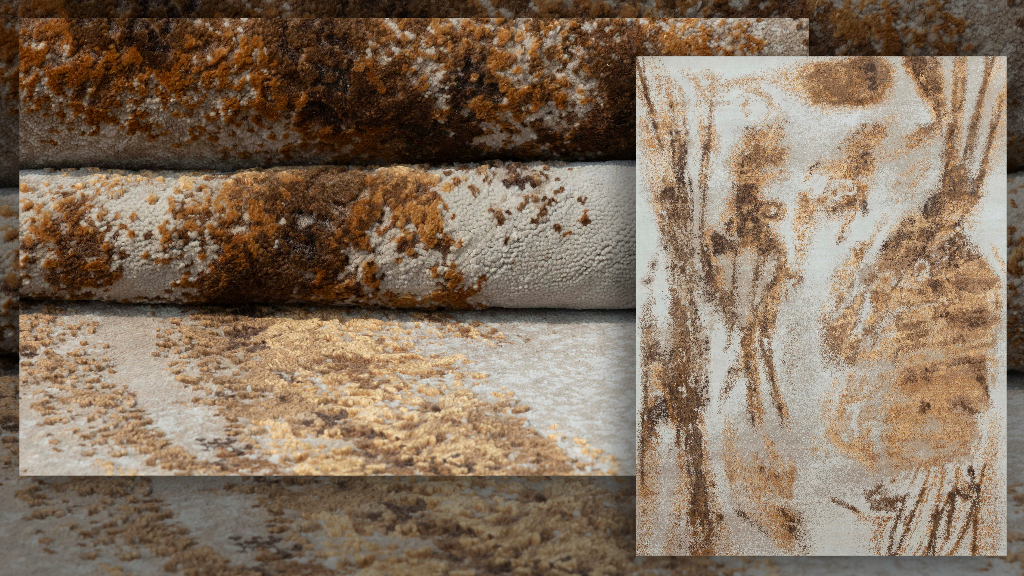
Handmade rugs continue to attract buyers because they combine practical functionality with artistic expression. Their textures, patterns, and handcrafted details can create a focal point within a room while complementing furniture, flooring, and decorative accessories.
A carefully selected handmade rug can also adapt to changing interior styles. Neutral wool rugs can work with different colour schemes, while traditional or abstract designs can add character to otherwise simple spaces.
For homeowners seeking a balance between craftsmanship, design, and long-term usability, exploring handmade rugs in India can reveal options across different styles, materials, and budgets.
The most suitable investment is one that meets your aesthetic preferences while offering the quality and performance required for your space.
Conclusion
When comparing handmade rugs in India with imported rugs, there is no single option that suits every buyer. Handmade Indian rugs offer a rich combination of traditional craftsmanship, varied materials, distinctive designs, and artisanal character. Imported rugs provide access to international styles and a broad selection of handmade and machine-made products.
The right decision depends on the quality of construction, material selection, intended use, design preferences, and overall budget.
Before making a purchase, compare individual rugs rather than relying solely on their origin. By understanding the differences in craftsmanship, durability, maintenance, and pricing, you can select a rug that enhances your interior and provides lasting value.
Whether you prefer the character of a handcrafted wool rug, the elegance of a silk design, or the practicality of a machine-made alternative, choosing thoughtfully will help you create a comfortable and visually appealing space.
