


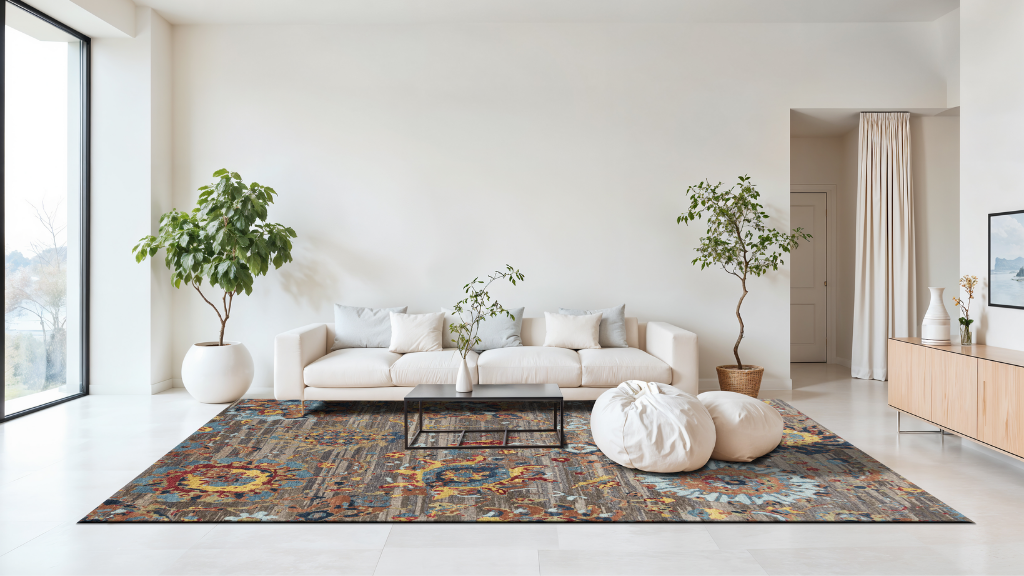
India has a rich and remarkable history of carpet making, where traditional craftsmanship, artistic expression, and generations of expertise come together to create beautiful floor coverings. Among the many varieties available today, handknotted carpets in India continue to hold a special place in luxury interiors. Their intricate designs, exceptional craftsmanship, and timeless appeal make them more than just decorative pieces—they are works of art that can transform an ordinary room into an elegant and inviting space.
While modern interior trends constantly change, handmade carpets remain a classic choice. From traditional homes to contemporary apartments, hotels, offices, and luxury spaces, these carpets continue to complement different décor styles. Their ability to blend heritage with modern aesthetics is one of the main reasons why handmade carpets never go out of style.
The Heritage Behind Handknotted Carpets in India
The tradition of carpet weaving in India has developed over centuries. Indian artisans have perfected techniques that involve patience, precision, and remarkable attention to detail. Handknotted carpets are created by tying individual knots onto a foundation, with the process requiring considerable time and skill.
Unlike machine-made carpets, where designs are produced quickly and consistently through automated processes, every handmade carpet reflects the artisan’s craftsmanship. Small variations in knots, colors, and patterns can make each piece unique.
Regions across India are known for their carpet-making traditions, with Jaipur, Kashmir, Bhadohi, Agra, and other areas contributing to the country’s reputation for exceptional handmade rugs and carpets. This cultural heritage continues to influence contemporary carpet designs while preserving traditional techniques.
What Makes Handknotted Carpets So Special?
The uniqueness of a handknotted carpet comes from the craftsmanship involved in creating it. Every knot is carefully tied by hand, and the density of knots can influence the carpet’s texture, durability, detail, and overall appearance.
Several characteristics make these carpets particularly desirable:
- Exceptional craftsmanship: Skilled artisans carefully create every detail.
- Unique designs: Handmade pieces can feature distinctive patterns and artistic elements.
- Long-lasting quality: Properly crafted handknotted carpets can remain beautiful for many years.
- Luxurious texture: Natural fibers such as wool and silk can provide softness and depth.
- Timeless aesthetics: Traditional and contemporary designs can complement changing interiors.
This combination of artistry and durability gives handknotted carpets an enduring value that mass-produced alternatives often struggle to replicate.
Handmade Carpets Add Character to Every Interior
One of the greatest advantages of handmade carpets is their ability to give personality to a room. A carefully selected carpet can become the focal point of a living room, bedroom, dining area, or office.
Traditional Persian-inspired patterns can create a sophisticated and classic atmosphere, while geometric and abstract designs can work beautifully in modern interiors. Neutral-colored carpets can provide subtle elegance, whereas bold patterns can add visual interest to minimalist spaces.
Because handmade carpets are available in a wide range of patterns, colors, sizes, and materials, homeowners can find options that suit their individual design preferences.
The Beauty of Natural Materials
Many premium handknotted carpets are made using natural fibers such as wool, silk, cotton, or blends of these materials. Each material offers different visual and functional qualities.
Wool is valued for its durability, warmth, softness, and natural resilience. It is particularly suitable for areas that receive regular foot traffic.
Silk offers a luxurious appearance with a distinctive sheen. Silk carpets can showcase intricate designs with exceptional detail and are often selected for sophisticated and formal spaces.
Wool and silk combinations can bring together durability and luxury, creating carpets that offer both practical performance and an elegant appearance.
The natural characteristics of these materials also contribute to the depth and texture that make handmade carpets visually distinctive.
Why Handmade Carpets Never Go Out of Style
Interior design trends may change from year to year, but certain elements remain timeless. Handmade carpets are one of them because they are not dependent entirely on temporary design trends.
A beautifully crafted carpet can work with traditional wooden furniture, modern sofas, minimalist interiors, luxury décor, or even eclectic styling. Its adaptability allows it to remain relevant as the surrounding décor changes.
For example, a traditional handknotted carpet may initially be placed in a classic living room. Years later, the same carpet can be paired with contemporary furniture and still create an attractive contrast.
This versatility makes handmade carpets a long-term investment in interior aesthetics rather than a short-lived décor trend.
Handknotted Carpets as Artistic Statements
A handmade carpet can be much more than a functional floor covering. Detailed motifs, carefully selected color combinations, and intricate knotting techniques can turn the carpet into an artistic centerpiece.
Many carpets feature floral motifs, geometric patterns, traditional medallions, abstract compositions, or nature-inspired designs. These elements can tell stories about cultural traditions and artistic influences.
When displayed in a thoughtfully designed room, a handknotted carpet can visually connect different elements of the interior. It can bring together furniture, curtains, wall colors, lighting, and accessories to create a cohesive atmosphere.
Durability That Supports Long-Term Value
Another important reason homeowners choose handknotted carpets is their potential longevity. A well-made carpet created with quality materials and craftsmanship can last for decades when properly maintained.
The tightly knotted construction provides strength and stability, while high-quality natural fibers can withstand regular use. Over time, a handmade carpet may even develop a distinctive character that adds to its charm.
However, durability depends on several factors, including knot density, materials, construction quality, usage, and maintenance. Choosing a carpet from an experienced manufacturer or supplier can therefore make a significant difference.
Handcrafted Carpets for Modern Homes
Handmade carpets are not limited to traditional interiors. Contemporary designers increasingly use handcrafted rugs to introduce warmth, texture, and personality into modern spaces.
For minimalist rooms, a subtle neutral carpet can soften the overall look without overwhelming the décor. For contemporary interiors, abstract or geometric handknotted designs can provide an artistic focal point.
Large open-plan living spaces can benefit from area carpets that visually define seating or dining zones. In bedrooms, softer textures can create a comfortable and luxurious atmosphere.
This ability to adapt to modern design preferences proves that traditional craftsmanship can remain relevant in contemporary interiors.
Choosing the Right Handknotted Carpet
Selecting a handmade carpet requires consideration of both aesthetics and practicality. Before purchasing, homeowners should consider the size of the room, furniture arrangement, color palette, expected foot traffic, and overall interior style.
For high-traffic areas, durable wool carpets may be a practical choice. For formal rooms where visual luxury is the priority, silk or wool-and-silk carpets can create a sophisticated appearance.
The design should complement the existing décor rather than compete with it. If the furniture and walls already feature bold patterns, a subtle carpet may create better balance. On the other hand, a neutral room can benefit from a striking handmade carpet.
Caring for Handmade Carpets
Proper care is essential for preserving the beauty and quality of a handknotted carpet. Regular vacuuming can help remove dust and debris, while immediate attention to spills can prevent permanent staining.
It is also advisable to avoid excessive moisture and harsh cleaning chemicals. Professional cleaning at appropriate intervals can help maintain the carpet’s appearance and condition.
Placement matters as well. Excessive direct sunlight can affect certain dyes over time, while heavy furniture should be positioned carefully to minimize permanent pressure marks.
With suitable maintenance, a quality handmade carpet can remain an attractive part of an interior for generations.
THE RUG FURNISH: Celebrating the Craft of Handmade Carpets
For those looking to bring traditional craftsmanship into modern interiors, THE RUG FURNISH represents the beauty of handcrafted carpet design. From sophisticated handknotted creations to luxurious wool and silk carpets, the focus is on combining skilled craftsmanship with contemporary interior preferences.
A carefully selected handmade carpet from THE RUG FURNISH can add warmth, texture, sophistication, and artistic character to residential and commercial spaces. The combination of traditional techniques and diverse design possibilities allows homeowners and designers to discover carpets suited to different interior concepts.
Whether you prefer classic motifs, contemporary patterns, subtle textures, or statement designs, handcrafted carpets can provide an elegant foundation for a beautifully designed space.
A Timeless Investment in Interior Design
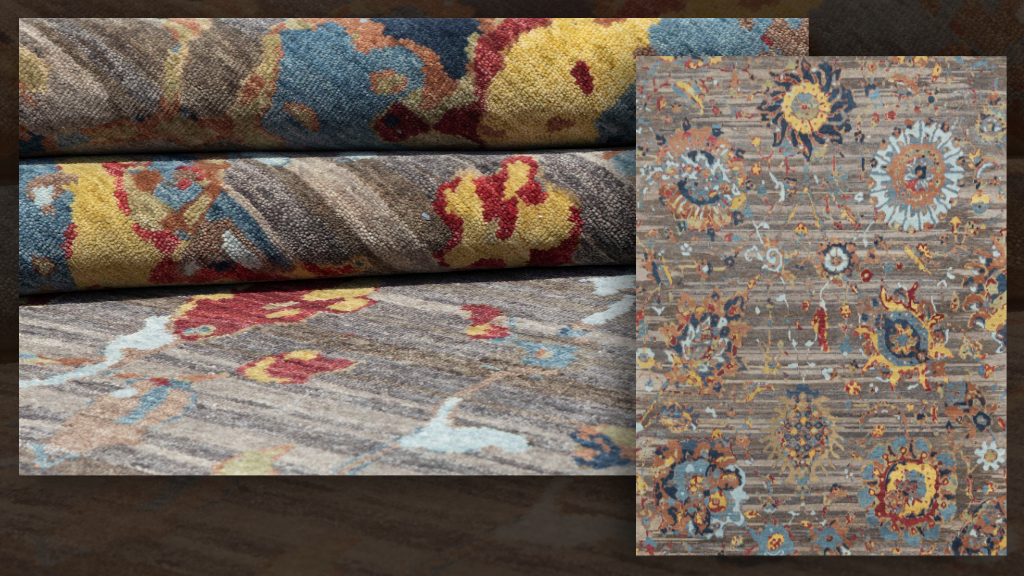
The appeal of handknotted carpets goes beyond their immediate visual beauty. They represent craftsmanship, culture, creativity, and lasting quality. In an era when mass-produced décor is widely available, handmade carpets offer something distinctly personal and authentic.
Their ability to complement changing interior styles makes them a reliable choice for homeowners, interior designers, hotels, and luxury spaces. A well-crafted carpet can remain relevant for years while continuing to add character to its surroundings.
Conclusion
The timeless beauty of handknotted carpets in India lies in their unique combination of tradition, craftsmanship, durability, and artistic expression. Every knot represents skilled workmanship, while every pattern contributes to the carpet’s individual character.
From classic interiors to modern spaces, handmade carpets have the versatility to evolve with changing design trends. Their natural materials, intricate craftsmanship, and enduring beauty make them more than decorative accessories—they are long-term expressions of art and culture.
For anyone seeking an elegant and meaningful addition to an interior, a handcrafted carpet is a choice that can stand the test of time. With trusted craftsmanship from names such as THE RUG FURNISH, the traditional art of handmade carpet making continues to find its place in sophisticated modern interiors.
