


India is a land of rich traditions, vibrant colours, and exceptional craftsmanship. Among its many artistic treasures, vintage carpets hold a special place. Known for their intricate patterns, luxurious textures, and timeless appeal, these carpets represent much more than decorative floor coverings. They tell stories of generations of artisans, reflect the cultural heritage of different regions, and bring a sense of history and elegance into modern homes.
From the traditional weaving centres of Kashmir to the historic carpet-making regions of Rajasthan and Uttar Pradesh, Indian carpets have captivated collectors, designers, and homeowners for centuries. Today, vintage carpets are experiencing renewed appreciation as people seek meaningful, sustainable, and distinctive ways to decorate their living spaces.
But what makes these carpets so special? Let us explore why vintage carpets in India are far more than just floor coverings.
1. A Reflection of India’s Rich Cultural Heritage
Vintage Carpets Vendors Jaipur are deeply connected to India’s artistic and cultural history. Carpet weaving developed through centuries of cultural exchange, royal patronage, and regional craftsmanship. Persian influences, local artistic traditions, and the creative vision of Indian artisans combined to produce distinctive carpet-making styles.
During the Mughal period, carpet weaving received considerable encouragement from royal courts. Carpets became important elements of palace interiors, reflecting refinement, sophistication, and artistic excellence. Floral motifs, detailed borders, and symmetrical patterns became defining features of many traditional designs.
Different regions developed their own identities. Kashmiri carpets are celebrated for their intricate patterns and delicate craftsmanship, while carpets from Jaipur and other parts of Rajasthan often reflect traditional colours and decorative influences. Agra and Bhadohi also have long-standing associations with India’s carpet industry.
Owning a vintage carpet means bringing a small piece of this cultural history into your home. Every pattern and design offers a glimpse into the traditions that shaped Indian craftsmanship.
2. Every Carpet Tells a Unique Story
One of the most fascinating qualities of vintage carpets is their individuality. Unlike mass-produced floor coverings, older handmade carpets often carry subtle variations that reveal the human touch behind their creation.
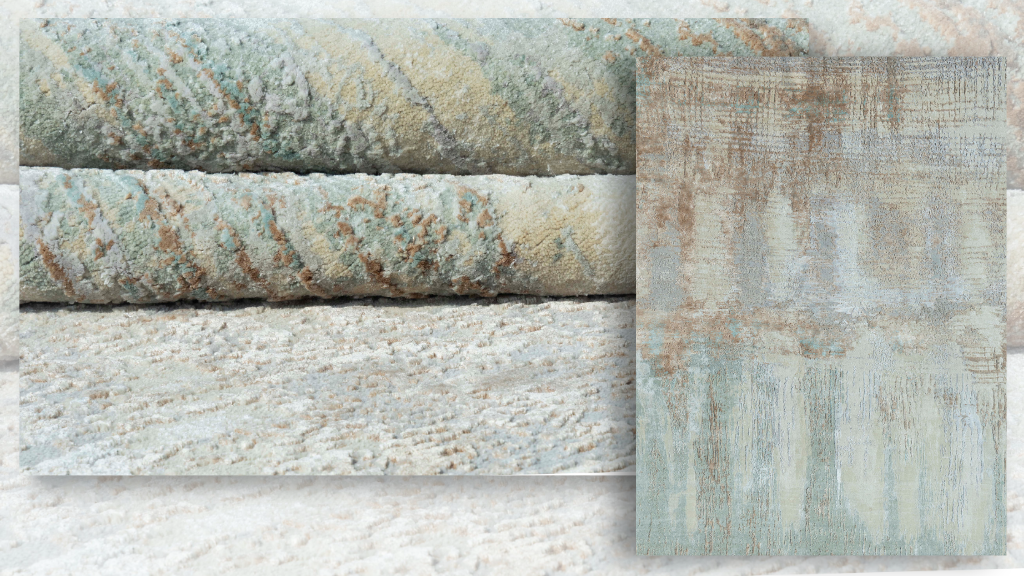
A slightly irregular pattern, a change in colour, or a distinctive motif can reflect the weaving techniques, materials, and artistic preferences of a particular period. The colours may soften with age, creating a beautiful patina that gives the carpet character.
Some Vintage Carpets Supplier Jaipur may have been part of family homes for generations, while others may have travelled through different regions before reaching a new owner. Although the history of an individual carpet is not always documented, its construction and design can provide clues about its origins.
This sense of individuality makes vintage carpets particularly appealing to people who want interiors that feel personal rather than predictable. Instead of simply filling an empty floor, a vintage carpet becomes a conversation starter and a meaningful part of the home’s identity.
3. Exceptional Craftsmanship and Artistic Detail
Traditional Indian carpet weaving requires patience, precision, and considerable skill. Depending on the technique, artisans may spend months creating a single carpet, carefully tying knots, arranging colours, and developing intricate designs.
Hand-knotted carpets are particularly valued for their detailed patterns and the labour involved in their creation. The quality of a carpet depends on several factors, including its materials, knotting technique, construction, and the skill of the artisan.
Vintage carpets often showcase techniques that have been refined over generations. Their intricate floral compositions, geometric arrangements, traditional borders, and carefully balanced colours demonstrate how practical objects can become works of art.
This craftsmanship also gives vintage carpets a distinctive visual presence. Whether displayed in a traditional living room or a contemporary apartment, a well-chosen piece can introduce texture, depth, and artistic interest without requiring extensive decoration.
4. Timeless Beauty That Complements Modern Interiors
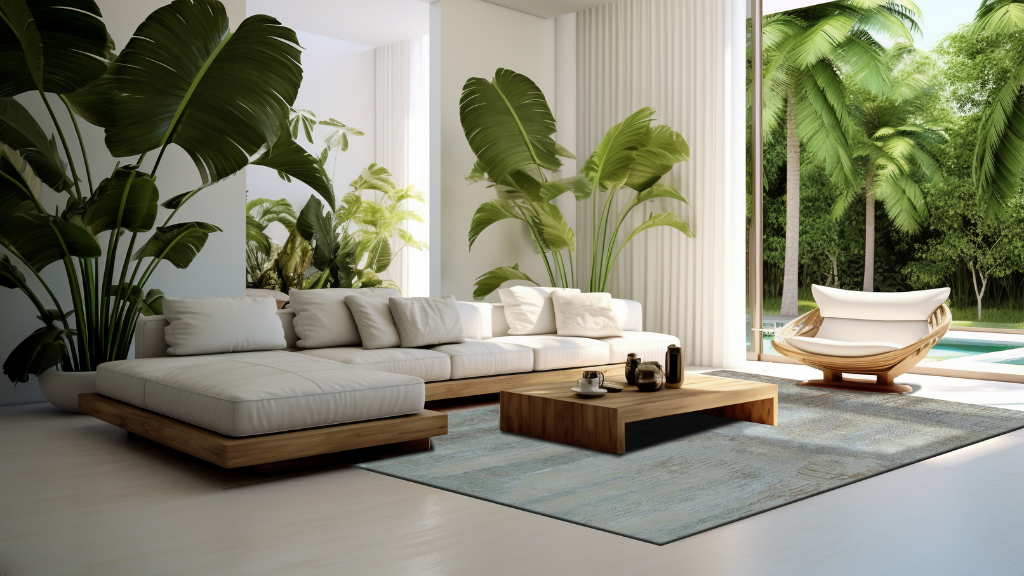
One of the biggest misconceptions about vintage carpets is that they belong only in traditional homes. In reality, their versatility makes them suitable for a wide variety of interior styles.
In a modern minimalist space, a vintage carpet can introduce warmth and contrast. In a traditional home, it can reinforce the existing character of wooden furniture, carved details, and rich fabrics. In an eclectic interior, it can connect different colours, textures, and decorative objects.
Muted reds, earthy browns, faded blues, and soft ivory tones can complement neutral interiors, while more vibrant patterns can create a striking focal point.
Vintage carpets can also help define different areas within an open-plan home. Placing one beneath a seating arrangement or dining table creates a visual boundary without the need for walls or partitions.
Their greatest strength lies in their ability to bridge the past and present. They bring historical character into contemporary spaces while remaining relevant to changing design preferences.
5. Sustainability and Responsible Living
As sustainability becomes increasingly important in home design, vintage carpets offer an appealing alternative to buying newly manufactured decorative products.
Choosing a pre-owned carpet extends the useful life of an existing object and can reduce the demand for new materials and manufacturing. It also supports a culture of reuse, repair, and appreciation for products that are made to last.
Many traditional carpets were crafted from natural fibres such as wool, cotton, and silk. However, materials vary considerably, and not every vintage carpet is made entirely from natural fibres. Buyers should examine the construction and condition of each piece before making a purchase.
Proper maintenance can help preserve a vintage carpet for many more years. Regular gentle cleaning, prompt attention to spills, appropriate storage, and professional conservation when necessary can extend its life.
In this way, vintage carpets represent a thoughtful approach to decorating: one that values longevity, craftsmanship, and the beauty of objects with an existing history.
6. A Valuable Addition to a Personal Collection
Vintage Carpets Supplier India can also appeal to collectors and people who appreciate traditional craftsmanship as an investment in cultural objects.
However, their financial value depends on several factors, including age, authenticity, origin, rarity, condition, materials, and workmanship. Not every old carpet is rare or likely to appreciate in value, so purchasing one should involve careful research.
Buyers should request information about provenance when available and consult reputable dealers or independent specialists for valuable pieces. Signs of restoration, repairs, colour changes, and structural wear should also be considered.
Even when financial appreciation is uncertain, the emotional and aesthetic value of a vintage carpet can be considerable. It may become a treasured family possession, an heirloom passed between generations, or a reminder of India’s remarkable textile traditions.
The best purchase is often one that combines genuine craftsmanship with a design the owner will continue to appreciate over time.
7. Creating Warmth, Comfort, and Character
Beyond their historical and artistic significance, vintage carpets serve an important practical purpose in everyday life.
They soften the appearance of a room, provide a comfortable surface underfoot, and help bring furniture arrangements together. Depending on their construction and placement, they can also contribute to reducing sound reflections and making a space feel more inviting.
Their colours and patterns introduce visual warmth, particularly in rooms dominated by plain walls, modern furniture, or hard flooring.
A vintage carpet can transform an otherwise ordinary corner into a welcoming reading space, make a living room feel more cohesive, or add personality to a bedroom.
These practical benefits demonstrate why carpets have remained important across cultures for centuries. They combine utility with beauty, proving that functional objects can also carry deep artistic and emotional meaning.
8. Preserving a Tradition for Future Generations
The appreciation of vintage carpets also encourages greater awareness of India’s traditional weaving communities. Behind every handmade carpet is a tradition of knowledge passed from one generation to another.
Supporting responsible sellers, learning about regional weaving techniques, and choosing authentic handmade pieces where possible can help buyers recognise the value of artisan skills.
It is equally important to distinguish between genuinely old carpets, newer carpets made using traditional methods, and artificially distressed products designed to look aged. Transparent descriptions and credible sourcing help buyers make informed decisions.
By valuing craftsmanship rather than treating carpets as disposable accessories, consumers can contribute to a culture that respects both artistic heritage and the people who sustain it.
Conclusion
Vintage carpets in India are far more than just floor coverings. They are expressions of cultural heritage, examples of remarkable craftsmanship, and decorative pieces that bring warmth and individuality into modern homes.
Their intricate designs connect us with the past, their versatility allows them to complement contemporary interiors, and their longevity encourages a more thoughtful approach to consumption. Whether chosen for their artistic beauty, historical significance, or practical appeal, vintage carpets offer something that mass-produced decor often cannot: a sense of character shaped by time and human creativity.
As Indian homes continue to evolve, these timeless pieces remain relevant. A vintage carpet does not simply occupy a space beneath our feet. It adds a layer of history, tells a visual story, and reminds us that the most meaningful elements of interior design are often those that connect beauty with tradition.
Ultimately, investing in a vintage carpet is not just about decorating a home. It is about appreciating the artistry of the past and allowing its beauty to become part of the present.
