


Interior designers understand luxury to mean more than its cost; luxury is often defined by craftsmanship, history and authenticity of an item. Handknotted wool and silk carpets are highly prized luxury furnishings due to their timelessness as works of art that add culture and heritage to any room they adorn. Revered for their beauty, durability, intricacy and traditionalism, they represent the pinnacle of floor coverings by combining traditional techniques with luxurious materials.
In this blog, we’ll examine why handknotted wool and silk carpets remain among the pinnacles of luxury craftsmanship, and their lasting significance within modern homes as well as traditional homes alike.
1. The Art of Hand knotting: A Labour of Love
Hand knotting is an ancient technique dating back millennia. Unlike machine-made carpets, hand knotted rugs require meticulous manual labor by artisans tying individual knots onto vertical looms with warp and weft threads as the foundation. Depending on design and knot density requirements, hand-knotting a rug could take months or even years for completion.
Lab our-intensive processes yield results of exceptional precision, giving each rug an unrivaled level of detail and texture. Knot density (measured in knots per square inch or KPSI) directly impacts design clarity as well as durability; fine silk carpets may feature upwards of 1000 KPSI – testaments to both skillful weavers’ patience and mastery.
Why It Matters:
Uniqueness: No two hand knotted rugs are ever exactly alike.
Longevity: With proper care, they may last for generations.
Value: Over time, they increase in value and can become family heirlooms.
2. Material Excellence: The Luxury of Wool and Silk
Wool: Resilient and Warm Wool is one of the most frequently used natural fibers for rug-making, often coming from regions like New Zealand, Afghanistan, or the Indian Himalayas. High-grade wool from these locations boasts softness, elastic resilience, and stain resistance, while its natural lanolin content allows easy maintenance.
Silk: Luxurious and Intricate
Silk adds an entirely unique dimension. Its fine fibers allow for intricate patterns, while its natural sheen gives carpets a radiant radiance that changes with lighting conditions. Silk can be used to emphasis patterns or outline motifs, while full silk rugs can also be prized as pure luxury pieces.
Wool and Silk Together: A Winning Combination
Combining wool with silk allows artisans to craft striking contrasts in texture and shine. Wool provides strength, while silk adds highlights, depth, and an iridescent finish that enhances the piece overall.
Why It Matters: Sophistication meets comfort for an inviting underfoot experience.
Visual Appeal: Combination of matte and glossy finishes that attract the eye.
Natural and sustainable: Materials that are Eco-friendly and biodegradable are chosen.
3. Design Heritage: Narratives Woven Into Every Knot
Hand knotted rugs are more than decorative pieces; they tell stories. Every design embodies cultural traditions, religious beliefs or regional motifs: Persian carpets feature floral medallions while Tibetan rugs incorporate Buddhist symbolism; Indian Kashmir silk rugs may reflect Maugham influences with intricate paisleys and arabesques reminiscent of Maugham styles.
These patterns do not merely serve to decorate fabric; rather, they hold deep symbolic significance that have been handed down from generation to generation of weavers. Every aspect of this process–from sketching the design onto paper to its translation onto the loom–is guided by an artistic vision deeply rooted in history.
Why It Matters:
Cultural richness: A rug can embody centuries of heritage.
Artistic expression: Owning a rug is akin to owning a piece of fine art.
Emotional connection: Each piece tells a unique story.
4. Time-Intensive Craftsmanship: Patience Meets Precision
Hand knotted rugs take much longer to produce than their mass-produced counterparts; for instance, creating one with high knot density might take several artisans over one year to finish a 9’x12′ silk rug with such requirements.
Weaving is typically practiced in small workshops or home-based units, often located in regions renowned for traditional craftsmanship such as Kashmir (India), Qom (Iran) or Kathmandu Valley (Nepal). Each artisan brings years of experience and their own artistic touch to each loom they use.
Time investment pays dividends when it comes to both the beauty and structural integrity of hand-knotted carpets. They can withstand daily foot traffic while retaining their color and texture for decades to come.
Why It Matters:
Quality Assurance: Every stage is manually assessed for quality assurance.
Craftsmanship: Rug makers take great pride in having their signature literally embedded within each rug they create.
Exclusivity: Committing time and resources ensures no similar rugs appear on the market.
5. Global Appeal and Enduring Value
Luxury hotels, royal palaces, embassies, and designer homes worldwide feature hand-knotted wool and silk carpets for unmatched elegance and sophistication. From contemporary designs in penthouse suites to traditional pieces in heritage mansions, these carpets add unrivaled charm.
Collectors and connoisseurs appreciate hand-knotted carpets for their investment value. Southey’s and Christie’s regularly host auctions of antique and rare hand-knotted carpets, some bringing hundreds of thousands of dollars.
Furthermore, these rugs are very adaptable; they work in both minimalist and maximalist interiors alike. From modern gallery spaces to rustic living areas and drawing rooms alike, their placement instantly enhances any space.
Why It Matters:
Timeless Style: Timeless carpet designs never go out of style.
Global Demand: High Resale/Investment Value.
Interior Versatility: Fits seamlessly into multiple aesthetics.
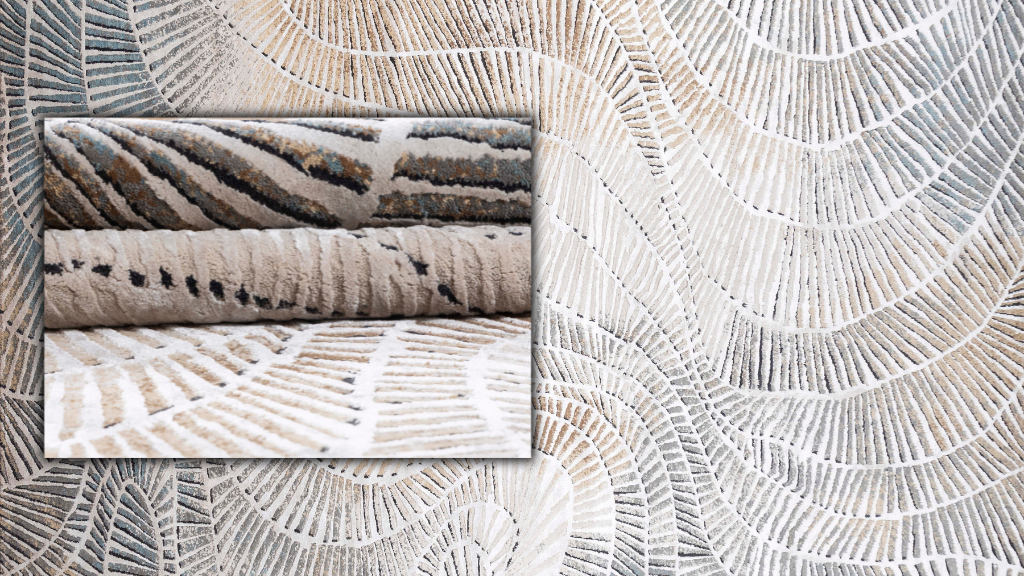
6. Sustainability and Ethical Craftsmanship
Hand Knotted Wool and Silk Rugs stand out for their ethical production processes utilizing natural fibers, plant dyes, minimal machinery use, and minimal energy requirements – thus making them Eco-friendly products.
Shopping from certified producers who adhere to fair trade principles helps sustain artisan communities while protecting their way of life. Many manufacturers now adhere to Good Weaves certifications or similar certification schemes, which ensure no child labour and fair wages for workers involved.
Why It Matters:
Opt for products with low environmental impacts: Biodegradable materials offer minimal ecological impact.
Support for artisans: Encouraging traditional livelihoods.
Ethical Luxury: Furnishing with Purpose.
7. Customization and Personal Touch
Luxury buyers today want more than mass-market designs. Hand knotted rug makers often provide custom services where clients can select size, colors, motifs and knot density options that perfectly suit their space and vision. This level of customization ensures each rug will meet these exacting specifications perfectly.
Cooperative partnerships between designers and weavers have become increasingly prevalent, producing collections combining modern tastes and ancient skills.
Why It Matters:
Personalized Luxury: Tailored specifically to your unique requirements.
Creative Expression: Work together with artists to design something distinctive.
Statement Piece: Becoming the center of any room’s decor.
Conclusion: A Legacy of Luxury
Hand knotted wool and silk carpets remain symbols of permanence, patience, and prestige in an age marked by mass production and fleeting trends. Not merely functional furnishings but treasures–rich in story, made with heart, and decorated with beauty–owning such pieces is to own a piece of history, culture and human artistry!
For anyone seeking to add warmth, elegance, and meaning into their space, nothing beats investing in a hand knotted wool and silk carpet the embodiment of luxury craftsmanship.
