


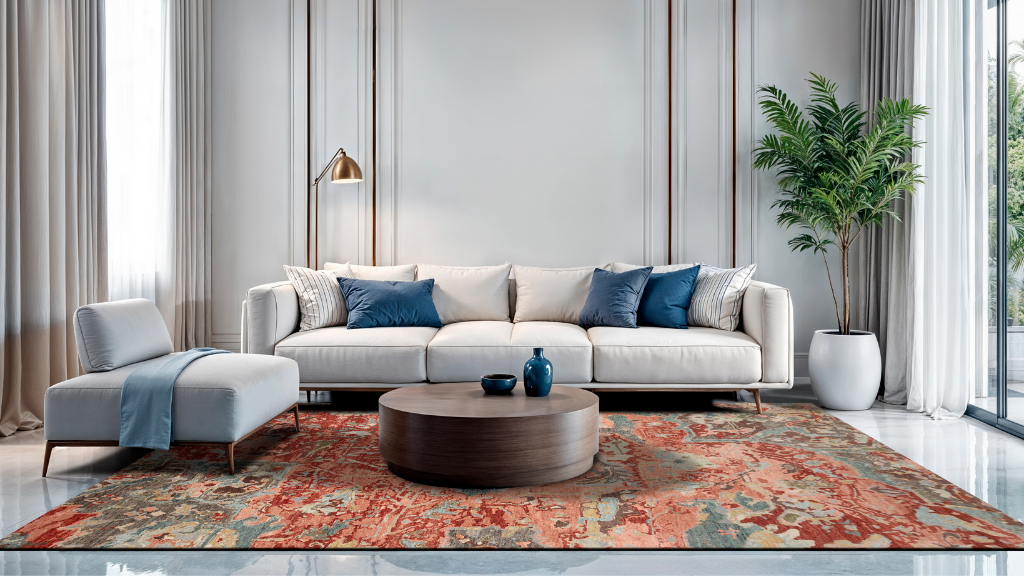
Handmade rugs in India are much more than decorative floor coverings. They represent centuries of craftsmanship, cultural heritage, artistic expression, and traditional weaving techniques passed down through generations. From intricate hand-knotted patterns inspired by Persian artistry to contemporary geometric designs created for modern homes, Indian handmade rugs have evolved while retaining their timeless character.
Today, these rugs are increasingly popular among homeowners, interior designers, hotels, and luxury spaces looking for pieces that combine beauty, authenticity, and individuality. Their ability to complement both traditional and contemporary interiors makes them a valuable addition to modern décor.
India’s handmade rugs, heritage rich
India has a long and fascinating history of carpet and rug making. Although several weaving traditions developed independently across different regions, Persian influences played an important role in shaping India’s handmade carpet industry.
Over generations, Indian artisans developed their own distinctive approaches to weaving, dyeing, knotting, and designing rugs. Regions such as Rajasthan, Kashmir, Uttar Pradesh, and Punjab became well known for producing beautifully crafted carpets and rugs.
Each handmade rug reflects the skill and patience of its maker. Unlike mass-produced floor coverings, handmade rugs can take weeks or even months to complete, depending on their size, design, knot density, and materials.
This connection between craftsmanship and culture is one of the main reasons Indian handmade rugs continue to attract buyers around the world.
What Makes Handmade Rugs Different?
The biggest difference between handmade and machine-made rugs lies in the craftsmanship involved. Handmade rugs are created using traditional techniques such as hand-knotting, hand-tufting, and hand-weaving.
Every knot, thread, and pattern contributes to the final appearance of the rug. Small variations may naturally occur because each piece is made by hand. Rather than being imperfections, these characteristics often demonstrate the authenticity of handcrafted products.
Handmade rugs can also offer exceptional detail. Artisans can create complex floral motifs, traditional medallions, abstract patterns, geometric compositions, and custom designs that may be difficult to reproduce with the same character through automated manufacturing.
Traditional Techniques Behind Indian Handmade Rugs
India is home to several rug-making techniques, each producing a different texture and visual effect.
Hand-Knotted Rugs
Hand-knotting is one of the most traditional and intricate rug-making methods. Individual knots are tied around the warp threads, and rows of knots are carefully built to create the desired pattern.
The process requires considerable skill and patience. High-quality hand-knotted rugs are valued for their durability, intricate detailing, and long-lasting appeal.
Hand-Tufted Rugs
Hand-tufted rugs are created by inserting yarn into a fabric backing using a specialized hand-operated tool. The technique generally allows artisans to produce detailed designs more quickly than traditional hand-knotting.
These rugs can offer a luxurious appearance while providing flexibility in terms of patterns, shapes, colors, and sizes.
Hand-Woven Rugs
Hand-woven rugs are produced by interlacing yarn through a loom. Depending on the weaving technique and materials used, they can range from lightweight decorative pieces to substantial floor coverings.
Their natural texture makes them particularly suitable for relaxed, contemporary interiors.
Natural Materials Used in Handmade Rugs
The materials used in a rug strongly influence its appearance, texture, durability, and overall character.
Wool remains one of the most popular materials because it is naturally resilient, comfortable, and suitable for everyday use. Wool rugs can also provide warmth and texture, making them ideal for living rooms and bedrooms.
Silk is valued for its softness, subtle sheen, and ability to showcase intricate patterns. Silk and wool combinations can create an elegant balance between durability and luxury.
Cotton is also commonly used in handmade rugs, particularly for lighter and more casual designs. Viscose and other specialty fibers may be incorporated to create a soft, lustrous appearance suited to sophisticated interiors.
The choice of material should depend on the room, expected foot traffic, maintenance requirements, and desired aesthetic.
From Traditional Motifs to Contemporary Designs
One of the most exciting aspects of Indian handmade rugs is the way traditional craftsmanship has adapted to modern interior design.
Traditional rugs often feature Persian-inspired floral patterns, intricate borders, central medallions, and symmetrical compositions. These designs work beautifully in classic, heritage, and luxurious interiors.
Contemporary handmade rugs, on the other hand, may feature abstract artwork, minimalist lines, geometric shapes, neutral palettes, distressed finishes, and artistic color combinations.
This evolution allows handmade rugs to fit seamlessly into modern apartments, luxury villas, boutique hotels, offices, and creative commercial spaces.
Why Handmade Rugs Work in Modern Interiors
Contemporary interior design often focuses on clean architecture, functional furniture, neutral colors, and carefully selected decorative elements. A handmade rug can introduce warmth and personality without overwhelming the overall design.
A neutral wool rug can soften a minimalist living room, while an abstract rug can become the focal point of an otherwise simple space.
In open-plan homes, rugs can also help define different functional areas. A large rug beneath a sofa and coffee table can visually establish the living area, while a smaller rug can distinguish a reading corner or dining space.
Because handmade rugs are available in countless designs, colors, shapes, and sizes, they offer considerable flexibility for interior styling.
Handmade Rugs as Statement Pieces
A rug does not always have to blend into the room. Sometimes, it can become the most memorable feature.
A bold geometric handmade rug can add visual energy to a neutral room. An artistic abstract design can create a gallery-like atmosphere. Meanwhile, a traditional Persian-inspired rug can bring a sense of history and sophistication to contemporary furniture.
The key is balance. When using a statement rug, surrounding furniture and accessories can remain relatively simple so that the rug receives the attention it deserves.
The Growing Demand for Indian Handmade Rugs
The global demand for handcrafted home décor continues to highlight the value of authenticity and artisanal production. Consumers increasingly want products that feel distinctive rather than mass-produced.
Indian handmade rugs meet this demand by combining traditional techniques with changing design preferences. Buyers can choose from heritage-inspired patterns, modern abstracts, minimalist designs, custom sizes, and a variety of natural materials.
The growth of luxury residential projects, boutique hospitality spaces, and design-conscious homes has further increased interest in handcrafted rugs.
How to Pick the Perfect Handmade Rug for Your Room
Selecting a handmade rug should involve more than choosing a beautiful pattern. Consider the size, furniture arrangement, traffic level, material, color palette, and overall interior style.
For a living room, a large rug that accommodates the main seating arrangement can create a cohesive look. In bedrooms, softer textures and calming colors can contribute to a comfortable atmosphere.
High-traffic areas may benefit from durable wool rugs, while decorative pieces made with more delicate materials can be reserved for spaces with lighter use.
Color is equally important. Neutral rugs can create an understated and timeless appearance, while rich colors can add warmth and personality.
Caring for Handmade Rugs
Proper maintenance can help preserve the beauty and longevity of a handmade rug. Regular gentle vacuuming can help remove surface dust and debris. Spills should be addressed promptly rather than allowed to settle into the fibers.
Professional cleaning may be appropriate from time to time, particularly for valuable or delicate rugs. Rugs should also be positioned carefully to reduce excessive exposure to direct sunlight and uneven wear.
Following the care recommendations for the specific material is important because wool, silk, cotton, and specialty fibers can have different maintenance requirements.
The Future of Handmade Rugs in Indian Interior Design
The future of Handcrafted Carpets Manufacturer lies in the combination of heritage and innovation. Traditional weaving communities continue to preserve techniques that have existed for generations, while designers are experimenting with new patterns, textures, color palettes, and materials.
This balance gives Indian handmade rugs a unique position in the modern décor industry. They can tell stories rooted in tradition while fitting effortlessly into contemporary spaces.
For homeowners and designers seeking something more meaningful than mass-produced décor, a handcrafted rug can provide both aesthetic value and a connection to India’s rich artistic heritage.
Discover Timeless Craftsmanship with THE RUG FURNISH
Handmade rugs are the intersection between tradition, craftsmanship, creativity and modern design. Their enduring appeal comes from the fact that every piece carries the character of the artisan who created it.
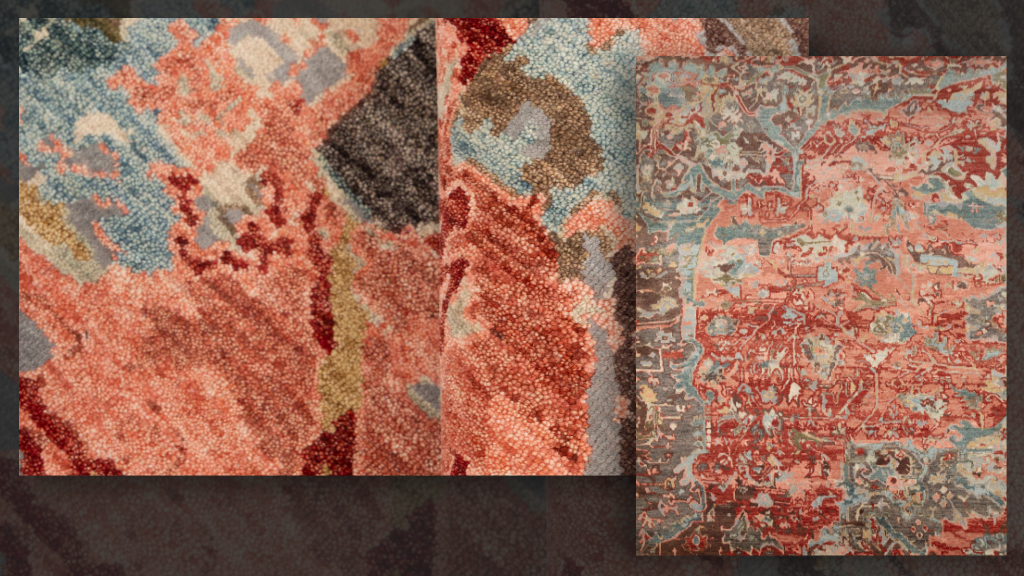
From centuries-old HandKnotted Rugs Supplier techniques to contemporary abstract designs, Indian rugs continue to evolve without losing their handcrafted identity. Whether you are furnishing a traditional home, designing a modern apartment, or creating a luxurious hospitality space, the right handmade rug can transform the atmosphere of an interior.
THE RUG FURNISH brings together the beauty of traditional craftsmanship and contemporary design sensibilities to create rugs suited to a wide range of interiors. By choosing a Handmade rugs in india , you are not simply adding another decorative element to your space—you are bringing home a piece of craftsmanship designed to remain beautiful for years to come.
